Four Years of Employee Ownership: Why We’re Proud to Be #OwningIt
Celebrating EO Day 2026 and four years as an Employee Owned Business
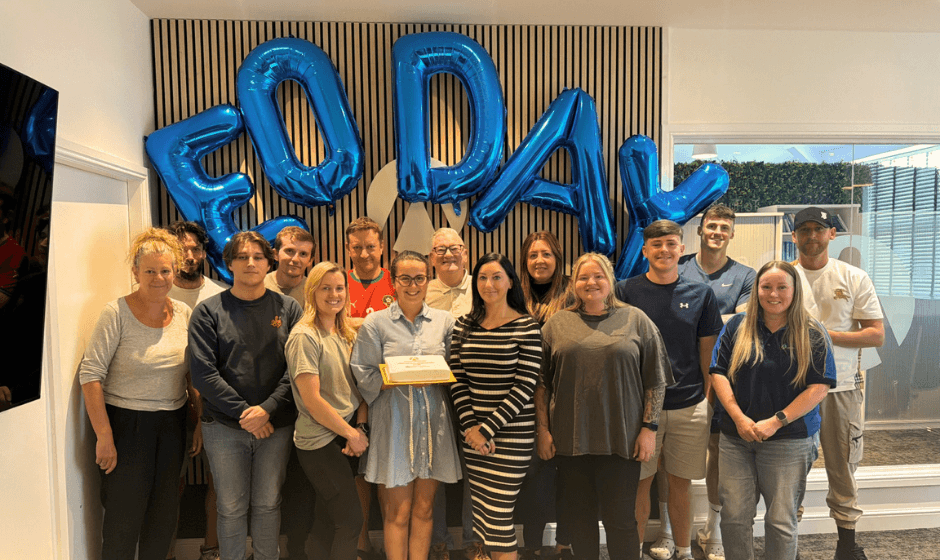
This EO Day (19 June), we’re celebrating an important milestone at Craggs Energy – four years as an employee owned business.
It’s an opportunity to reflect on how far we’ve come, what we’ve learnt, and how employee ownership continues to shape the way we serve our customers, support our people and grow our business.
When Craggs Energy and our sister company, Moorland Fuels, transitioned to employee ownership in 2022, it wasn’t simply a change in ownership structure. It was a commitment to a different way of doing business – one built around shared responsibility, long-term thinking and ensuring that every member of our team has a genuine stake in our future success.
Four years on, we can confidently say that becoming employee owned has strengthened our business in ways we could never have fully anticipated.
What #OwningIt Means to Us
This year’s EO Day theme, #OwningIt, couldn’t be more relevant.
Employee ownership isn’t just about sharing in success. It’s about creating a culture where everyone feels empowered to contribute, challenge, improve and innovate.
At Craggs Energy, every member of our team has a vested interest in helping the business succeed. Whether they’re delivering fuel, supporting customers, planning routes, managing logistics or helping drive growth, every decision matters because everyone has a stake in the outcome.
That sense of ownership has encouraged people to think differently. To ask questions. To suggest improvements. To challenge inefficiencies. And most importantly, to look beyond their own role and consider what’s best for the customer and the wider business.
It has created a culture where people don’t simply work for Craggs Energy – they help shape its future.
Putting People at the Heart of the Business
Our company manifesto has always been rooted in a simple philosophy:
What Matters to You, Matters to Us.
That principle guides how we serve our customers, but equally importantly, it shapes how we work together as colleagues.
Employee ownership has reinforced that commitment. It has encouraged more open communication, greater transparency and stronger collaboration across every area of the business.
Today, regular engagement opportunities help ensure every voice can be heard.
Our quarterly Town Hall meetings bring together colleagues from both Craggs Energy and Moorland Fuels to discuss business performance, future plans, opportunities and challenges.
Within our sales team, regular huddle meetings create opportunities to share learning, discuss customer needs, review service levels and identify improvements that can enhance both customer experience and operational efficiency.
Meanwhile, monthly driver meetings provide a valuable forum for our frontline teams to raise ideas, highlight challenges and contribute directly to decisions that improve service delivery.
These conversations are helping us become a stronger, more connected business because the people closest to our customers are actively helping shape how we operate.
Small Improvements, Big Results
One of the most powerful lessons we’ve embraced over the last four years is the value of continuous improvement.
Inspired by Sir Dave Brailsford’s famous “1% improvement” philosophy, we’ve encouraged teams across the business to look for small changes that collectively make a significant difference.
The results speak for themselves.
One example has been our focus on reducing under-deliveries – where customers order more heating oil than their tank can take.
Historically, this created inefficiencies for both customers and the business. Through better communication between drivers, sales teams and transport planners, we’ve introduced a series of small improvements that have delivered meaningful results.
Drivers now proactively call in when they have additional product remaining on their tankers, allowing deliveries to be re-routed to customers who may benefit from an earlier delivery.
Weekly reporting helps identify customers who consistently over-order, enabling us to provide more accurate recommendations.
Sales teams review previous delivery history to ensure ordering guidance is as accurate as possible.
Together, these changes helped reduce average under-delivery volumes from around 7,500 litres per day in December to approximately 4,500 litres per day by February. And this continues to fall.
Importantly, the impact extends beyond just efficiency.
Reducing unnecessary transportation helps lower fuel consumption, reduce emissions and minimise wasted journeys – benefiting both our customers and the environment.